









Shop by Category
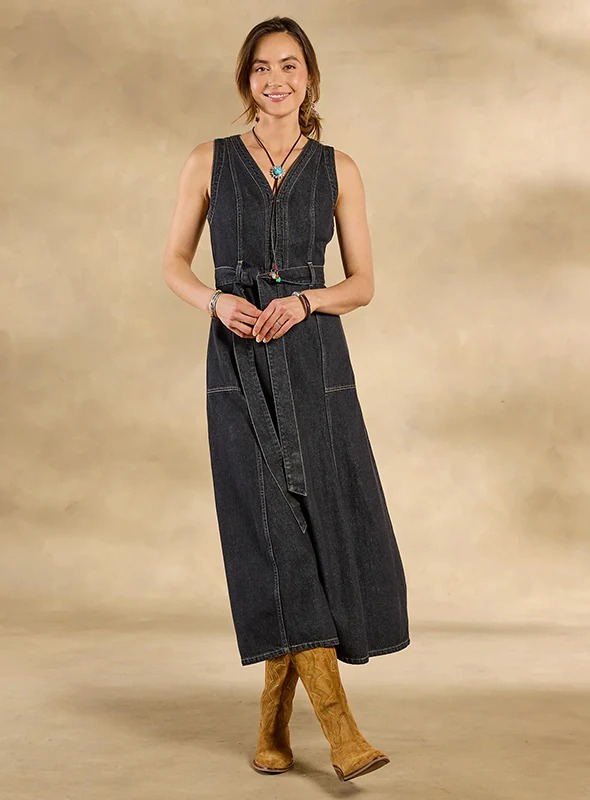

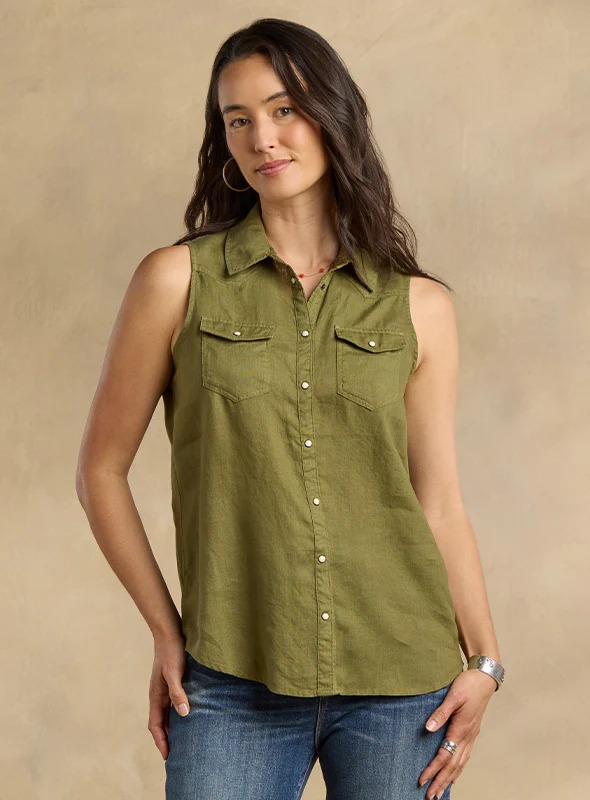
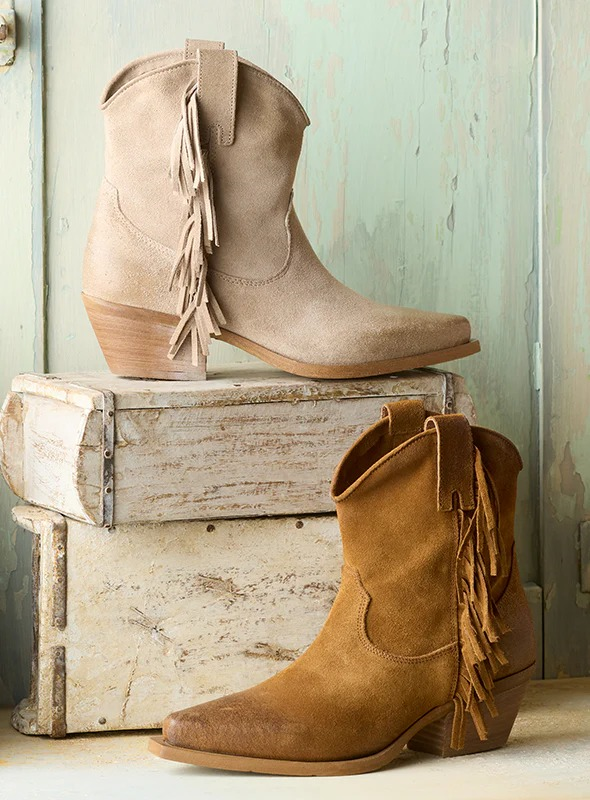
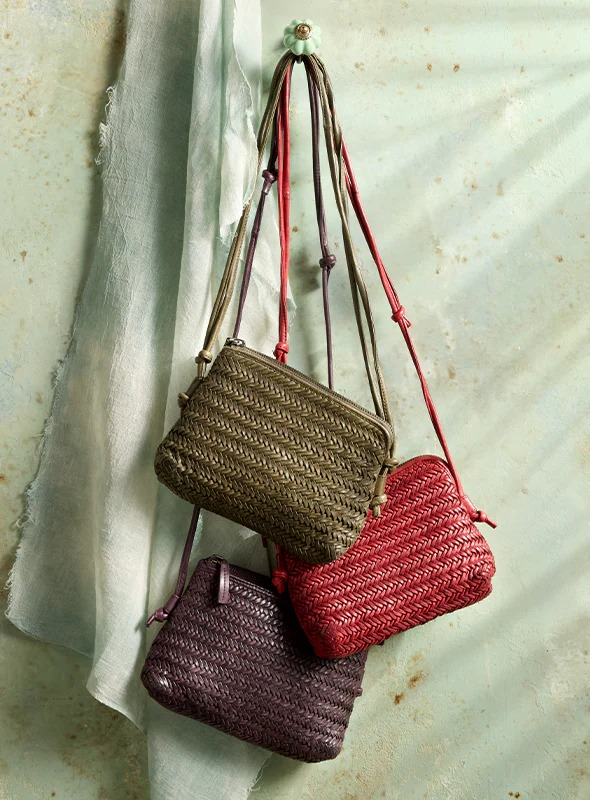
The Philosophy of Fabric and Craftsmanship.
Beyond the visual appeal of a garment lies the technical mastery of its construction. The way a fabric drapes, moves, and ages determines the ultimate success of a piece. To truly appreciate fashion, one must understand the relationship between the material and the design.
Natural Fibers and Their Longevity
Silk, wool, and cotton are the pillars of high-quality apparel. Silk is prized for its natural luster and temperature-regulating properties, making it ideal for evening wear and delicate blouses. Wool, ranging from heavy tweeds to fine knits, provides unmatched warmth and durability. These natural fibers are often more breathable than their synthetic counterparts, ensuring comfort throughout the day. Investing in these materials ensures that a garment will maintain its shape and texture for years to come.
The Importance of Construction
The beauty of a garment is often found in the details that are not immediately visible. Internal lining, reinforced seams, and hand-finished hems are signs of superior craftsmanship. A well-lined skirt hangs better and prevents the fabric from clinging, while a jacket with properly constructed shoulders maintains its integrity even after repeated wear. Understanding these technical aspects allows a consumer to distinguish between a garment that is merely fashionable and one that is truly well-made.
Comfort as the Ultimate Luxury
In the modern world, the definition of luxury has evolved to include comfort. A garment that looks stunning but feels restrictive is rarely a successful choice. Today’s designs emphasize “wearable elegance”—clothes that allow for movement and ease without sacrificing aesthetic appeal. This is achieved through the use of stretch fibers blended with natural materials and ergonomic cutting techniques. When a woman feels comfortable in her clothes, her natural confidence shines through, which is the most beautiful accessory of all.